
Ep75 Townsend Wardlaw—Why 99% of Coaches Are About to Be Left Behind — And the One Shift That Changes Everything
A massive wave is coming for the coaching industry, and most coaches have no idea it's heading their way.
In this episode of Unlock Your Way with STK, host Suzanne Taylor-King sits down with Townsend Wardlaw — a coach to elite founders and the transformational coaches who serve them — for an honest, unfiltered conversation about where the coaching industry is actually headed, what the top tier of this profession looks like from the inside, and what separates the coaches who quietly build seven-figure practices from the ones who stay stuck chasing their next client.
Townsend brings 20 years of consulting experience, a deeply developed philosophy on what true transformational coaching actually is, and a willingness to say the things most people in this industry would rather leave unsaid. Suzanne matches his energy with sharp, pointed questions drawn from her own experience transitioning from a long career in dentistry into coaching and consulting — grounding every insight in the kind of real-world context that makes it immediately applicable.
By the time this episode ends, you'll know how to:
→ Identify the difference between transactional coaching and true transformational coaching — and understand exactly why this distinction is about to become a survival issue as AI begins reshaping the industry from the ground up
→ Shift from selling the experience of coaching to solving high-value problems people will actually write checks to fix — the specific reframe that makes sustainable six- and seven-figure income not just possible, but logical
→ Approach enrollment as an act of genuine service rather than persuasion — including the mindset framework Townsend uses that eliminates most of the anxiety coaches carry into client conversations
→ Use the undeniable problems framework to identify what your ideal clients can never argue with — and build conversations around that instead of trying to convince anyone of anything
→ Build a consistent outreach rhythm that produces real results week over week — including the 100-touches-per-week system that keeps the pipeline moving even on low-confidence days
→ Set accurate expectations for what building a real, sustainable coaching practice actually requires in terms of time, effort, and commitment — including an honest timeline most coaches don't want to hear but absolutely need to
Townsend also walks through two practical resources he has built specifically for coaches ready to make serious moves: Client Creation Copilot, a custom GPT tool that role-plays, scores, and sharpens enrollment conversations in real time, and Limitless Academy, a small and exclusive container for transformational coaches building toward seven figures.
If you have ever wondered why some coaches seem to effortlessly attract clients while others work twice as hard for half the results — this episode answers that question in full.
Townsend Wardlaw 0:00
There must be a shift from selling the experience of coaching to selling the solution to the problems people had that they value. People spend money to solve the problems or access the opportunities they want. Period.
Suzanne Taylor-King 0:19
Hey, hey, welcome to a podcast where dreams meet determination and success is just around the corner. I'm your host, Suzanne Taylor King, and I'm here to help you unlock the full potential of your business and your life. Welcome to unlock your way with SDK, let's unlock your path to success together. Good. Morning. Good morning everyone. It's Suzanne Taylor king here for another live episode of unlock your way with STK and get ready. Today we are talking to towns and war law. He is a coach to elite founders, and the coaches who coach those founders, and I want to just say full transparency Townsend and I have known each other in the online space for years. We've had numerous conversations. We're skipping the BS today, and we're going straight for a deep conversation about coaching, where coaching is going, what he's doing with coaches and welcome Townsend.
Townsend Wardlaw 1:24
Honored to have you. Thank you. This is not our first rodeo, right? Yeah, it's not
Suzanne Taylor-King 1:29
get ready usually, usually I'm walking on the treadmill. I don't just that. I don't do that for or do that for live, live broadcasts. Oh, distracting, you know, a little bit. So, all right. So first insight I want to get into is most coaching is very, very tactical, right? It's almost like more consulting. And in the online space, I see courses labeled as coaching. I see group cohorts labeled as coaching, but the coach is not even there. So let's get into how yours is different. Your thoughts on the tactical versus actual transformational coaching.
Townsend Wardlaw 2:24
That's a great place to start. And I'll be clear, this is not to throw shade on anybody or or to even say that, you know, one thing is better than another. It's just to be to be clear, it's become quite popular to slap coach on your LinkedIn profile or Facebook page or what have you. I love all the marketers out there, you know, talking about the coaches they're working with that are doing $100,000 months. Yeah, well, for me, there are, and I was a consultant for 20 years. So So for me, consulting is one domain, coaching is another domain. And that's probably the easiest distinction as a consultant, what I did was I applied my trade and I profited from my experience, my knowledge, my specific domain expertise and my my job was to help my clients solve their problems or get what they want By by giving them the practice, the formula, the program, the system, the framework, the infrastructure, the guidance to do this. Don't do that right? Because I've been there and I've done that. So it's a very expertise driven model. Works well. I had a very profitable solo consulting practice, and I loved it. The challenge with, with with consulting or teaching, for that matter, because I would also put teaching as a variant of that when I'm when I'm instructing, a lot of these coaches and people say that they're selling you systems. They're great teachers and instructors. It's not coaching. Coaching, for me, is a very sacred space, a very sacred practice, a very sacred career. And the fundamental assumption, or belief in coaching is that I am there to assist the person I'm serving to find their answers. The answers are inside of them. The knowledge is inside of them, and to go a little bit deeper what they are experiencing in life, either in terms of challenges they're facing, or resistance getting to the objectives and the goals they want, is actually a function of how they see themselves and they see the world. We wake up every day, and we have an experience of life, and that experience of life is very, very unique, as I think we all can, can agree no two people in the same experience will will say, Oh, here's what's going on. We'll have two different versions of it. Well, it's sort of like being in a movie theater. We're watching what's on the screen, but the re election is in the projector, and we can talk about what's on the screen. We can try to move stuff around. We can. Throw it, you know, throw popcorn at it, or rocks, or whatever. But nothing's really going to change on the screen until something alters up at the projector. And in the case of how I believe it works here, in this, in this thing we call life, is we are the projector. Now, there is observable reality, right? There is objective reality. But mostly what we do is we we go around and we project onto that reality, reality meaning, well, that's what they meant. And if you want to watch this, just go on social media, and somebody will put a post up, like I did this week, and all of a sudden people said, You're being this, you're being that. And they start, yeah, projecting and creating the meaning. Nobody said Townsend, curious what you meant by that. Here's how I interpret it. No, no. They knew what I meant. And then, because they know what I meant and what I was doing and why I was doing everything, they know all these things about me, they then pass a judgment. Well, that's right or wrong, or good or bad, or I like them or I don't like them, and that's how the world works. And we're all walking around projecting these things. Well, the coach's job for true, transformational coaching. We're talking about here is to assist others in seeing how that works and changing or gaining access to the projector so they can perhaps project different things or remove meaning and judgment for the world and see it from different perspectives. See it with different possibilities, and then they'll do different things. So as a consultant, my primary role was to make sure you got it understood what we're talking about, master the steps and then do it and implement it, reinforce it, be accountable. Blah, blah, blah, oh, that's exhausting just thinking about it as as a transformational coach, I don't have to do a lot all. All that is required is that I assist you in seeing something that you were certain was one way differently, and then you'll have different thoughts about it. And I'd love to share a little example. If I could just a
Suzanne Taylor-King 7:00
simple idea, oh, I would, I would love that, because I notice so many times the first step with my clients is the seeing themselves differently. Yep, so I would love your take on that.
Townsend Wardlaw 7:16
Well, I love helping people see themselves differently. I find, for me, that usually comes later, and I'll get a simple way of how we can see the world differently. And it's simply a way of seeing it, and not just seeing it, but speaking about it and thinking about it. If I come up to you and I say, Oh, my God, Suzanne, we have a major problem. I'm gonna tell you about this problem, and then we're gonna work the problem, fix the problem, and, you know, here's what we're gonna do and, and I'm gonna tell you about it right now. I haven't told you anything, but already your mind is producing thoughts like getting ready for a problem. Yeah, right now, if I bring out a birthday cake, there's gonna be a little cognitive dissonance, because what are you well, I'm looking for what's the problem. Now, that's a sort of cheeky example, but now let's take that into the context of business or working with other people. There's something going on between these two employees, like they don't seem to be, you know, working quite really well together. The thing they're missing deadlines or whatever, or they have a manager in a direct report. If I go, Oh, man, we got a problem with these two well, immediately, subconsciously, automatically, inescapably, our mind will start to produce thoughts about, how are we going to solve this problem, fix this problem, deal with this problem. There's nothing wrong with that. That's how the mind works. Now. Imagine I say, hey, there's, there's a couple employees here that have been working together in a really interesting way. I think this is a huge opportunity for growth for both of them. I think it's actually something that will be transformational for our company, and could bring us to the entire next level of how we're how we're leading and running the organization. Let's talk about it. Well, your mind is producing different thoughts. You have a different seeing right, a different different way of interacting with that. I always say what we call something determines the verbs that we will use to work with the thing that we just called it something. And when we call something a problem, the verbs that we tend to use afterwards from the thoughts in our mouth are, fix, solve, remove, kill, you know, conquer, yeah, when we say, Oh, we've got a really special opportunity, or, I think the universe just gave us a gift, right? Well, we're going to play with it. We're going to explore it. We're right. So we're on two different entire tracks. That's just a simple example of something. Really Imagine your entire life is like that, and everywhere you go, it's not somebody else telling you it's a problem or not a problem. We are again, automatic. Ethically, subconsciously, irrevocably, inescapably, creating labels for everything and saying what it is I have clients call me the time and say, I want to work through a problem with you. And usually I'll say, Great, I'm gonna hang up on you now. Please call back and try again and hang up on them, right? Because I'm not, I'm not gonna fix a problem. Yeah, I mean, I could. I'm good at fixing problems. I love solving puzzles. I love finding opportunity. I love creating magic, right there. So, so it's a different game, and that's just in a language. That's just when we're speaking with another. We go through our entire life manufacturing with it. So if you can help people simply shift that frame. I mean it. I gotta, I gotta say this to me is the funnest and easiest job in the world. People call me. I'm saying, Oh, my God, this is gonna kill my company. It's the worst thing ever. What what if? What if it was the thing that actually turned this company into a world up like I just changed the frame. It's not quite that simple. And we play, and we look, and they go, Oh, it could be this. And we're like, great, go do that. I didn't give him advice. I didn't tell them they were looking at it wrong. I didn't I certainly didn't give them a prescription or a to do simple way to say it. The vast majority of coaches, and this is no shade on them, are in the How to business, prescriptions, how to, right? I don't answer how to, because what I know is whoever sitting across me knows the answer, but only how to based on what they see or they can find the answer. I mean, it's 2026 you don't need to ask another human being how to we have technology everywhere. Oh, my God, stuff. I was just doing this one with chat GPU was blowing my mind. So, yeah, well,
Suzanne Taylor-King 11:45
what I what I want to pull out of that is the chemical reaction that happens in your body when you think, Oh, shit. Problem, yeah, and you go into solving, fixing, or he said, she said, My problemalize, right? Oh, yeah. And then versus being in opportunity mode, and I had a coach of mine say to me a long, long time ago, support, not solve. It's not my job to solve. It's your job to solve. And I think about those chemical reactions and how entrepreneurs coaches, they a lot of health issues because of the self imposed stress of achievement, signing clients, enrollment, which is a perfect segue into enrollment and conversations that I'm wondering your take on seeing how over complicated coaches May. I got a great story for that. Okay, you always have great stories, by the way, which is, thank you.
Townsend Wardlaw 13:05
Yeah, I do want to make one sort of Capstone point on what I'm saying about, you know, coaches, different kinds of coaches. There's something really important here. And I said no shade on folks that are not in the transformational world and trans, I call them transactional coaches. No shade on the people that have the systems, the process, the framework. I'll show you how to however, there's a reckoning coming, and if you look at the the the masses of coaches that live in that world, and this giant tidal wave tsunami coming called AI, what I will tell you is there will not be a lot of room in the marketplace. More specifically, there won't be a lot of value for coaches that trade in how tos and systems and prescriptions now, they'll still have a job. I'm not saying AI is going to replace all coaches, but the value of those coaches. They're not going to be a lot of coaches in that world that aren't selling programs to other coaches, right? Those people are always going to be ripping people off, but there's not going to be a lot of money lying around for coaches who show people the way. Why? I'm sorry, I have the world's greatest coach at my fingertips. And by the way, if I want Tony Robbins or name somebody else, they all have these digital avatars I can work with. If I want to ask how to questions, I'm going to ask the smartest people in the world. Yes, yes. I might want to talk it through with the human at some point, but I'm not going to pay a lot for that. So that's really important, I think, for coaches to hear that if, if where you're at is, like, I guide my clients and I and I'm an advisor. Yes, I love that. You're amazing, and you may want to be, you know, looking at the Thelma and Louise moment that's coming up here, right? Because there's a big old cliff and it's not going to be pretty. So that's my, that's my loving invitation for coaches to go. Hmm, maybe I should look at other ways. Great value. Now, as for enrollment, ah, where do we even start? I was talking to someone that's part of our Luis, and I have started a community, a very small community, to support transformational coaches. I'll maybe talk about that later. But we were, we were doing some coaching in there with with an individual, and specifically, they were working through some enrollment questions and conversations, what have you now, I'm gonna, I'm gonna weave in this idea of, rather than, let me tell you how to enroll people better. What we went was on a journey to, how does the world occur for this coach such that they're asking this question such that they're trying to solve they see a problem here. They're trying to solve it. Where are they looking from? And to make a really long story short, they were asking a lot of questions that were basically related to, how am I going to convey the value and all these things like that. How am I gonna, you know, get them to understand blah, blah, blah. Well, what became pretty clear, as we got curious about not just what question they asking, but what do they think they see, is there was a perspective. We'll call it an idea that they had that coaching was something you had to convince people of. Coaching was something you know that people needed and that they knew what this person needed. So it was about, how do I help them? And more specifically, how do I convince them of this thing? So we slowed down. We said, Do you Do you see the value of coaching? And the first one is, absolutely. I spent so much of my money on coaching, it is wonderful. So coaching occurs a certain way for you, tell me about coaching for you. And the individual went on to talk about how powerful it was, blah, blah, like it was, it was a no brainer, like it's coaching something I can't wait to spend money on, essentially, right? Well, what's interesting is you're out there in the world, and what you tell me you see are people that need convincing, people that need persuading, people that need overcoming objections. I wonder if what you're creating in the world is the idea that, well, that's how people are. And not surprisingly, when we look for those things, well, sometimes we we lock in on the folks that are that way, and sometimes we even project onto people that are otherwise neutral those things. So we talked about this idea of, what if you could create a world where people were receptive to coaching, people embraced coaching. People really, really were looking for help to solve the problems that they had in their life, reached opportunities in life, and not all those people were ready now, but that's something entirely different. Like Lily, how does the world occur as a place where it's hard to sell coaching, or it's actually really easy to sell coaching? Luisa asked me, Luis is my wife and also my business partner. She asked me a question about a year ago. She said, If ago. She said, if you were going to give one piece of advice to a coach that would change everything for them, like, if they actually heard you and like, like, did it, what would it be? I said, that's easy. I said, I wouldn't really give him advice. I'd share with them how the world occurs for me. I said I decided a couple years ago that I'm gonna play a game, and the game is called, I'm gonna wake up, I'm gonna go out into the world, physically, virtually, whatever and whoever shows up in my life on a screen, And I'm gonna take it as a truth that God sent them to me. Now I use the word God outside of a religious context, but as a consciousness the universe. So if God doesn't resonate, pick the universe consciousness. You know another, another deity doesn't matter to me, but whatever you hold as a higher power in the universe. I said I play a game called they've been sent to me to serve, to assist. There's something they want, there's something they're looking for, there's something they're struggling with. And it's like I've been given it an assignment by the universe, like, hey, go take care of them, help them out. I love that. Yeah, it's kind of fun. And that's distinct from I'm going to go and see who needs help, if people need help, right? So not idea. I wonder if I'm supposed to help this person and if they're in front of me. Well, that's why they're here. And by the way, both are made up.
Suzanne Taylor-King 19:54
Both are made up and both completely fabricated in in. Steve hardison's book, The Ultimate coach. There was a spot that said something about the way he treated everyone. He treated everyone like they were already a $200,000 client. Yes, right? Just any ideas from Steve, right? I love that. I I love the idea. I messaged someone back and forth on WhatsApp the other day, and she's in my community. She's struggling with a little something, and I just offered an insight, and three days later, she messaged me back and said, my whole world has shifted because you asked me that question, as it so often, does right, what if i What if I spent that valuable time with her? Whether it was five minutes or 50 minutes, doesn't matter if I spent that in my own brain, of, how do I enroll this person? How do I overcome objections? How do I Yeah, yeah, yeah,
Townsend Wardlaw 21:05
that's yours, yeah. What's fun for me is I take that as, okay, here's the mission I'm on. And guess what? People show up in my life. Sometimes they're, they're, they're a coffee shop, sometimes they're online. Sometimes it's just a name I see, I see somebody on LinkedIn, in this feed, I go, I think I'm supposed to help them, like I saw them three times on like a universe must be sending me somebody. I don't spend a lot of time questioning it. I just say, Okay, great. How do I do my job? Well, I gotta, I gotta reach out to them. What have you I gotta do, whatever I'm gonna do. There's lots of tactics. They don't really matter. This is the thing all the marketers saying, Oh, here's a none of that matters, right? We run an academy to teach coaches how to create clients and grow their practice. And when you're starting out, there's a lot of process and structure and what have you. By the time you get over 100,000 and you want to really grow you don't need any of that shit, none of it. So what you need is the knowing that you have something of worth and value to give, and this person's who you're supposed to give it to, right here, right now. Now, think about the other things coaches have the idea that, well, the thing that keeps me from rolling people is, you know, I get nervous or I'm insecure. Guess what? Me too. I don't always feel confident, I don't always feel certain, I don't always feel sane when I reach out to people. But I got the rule saying, yeah, the universe told me you got it. God says, Go do it. So the universe is not interested in whether or not I feel nervous or insecure or like, it's like, yeah, do it anyway. It's like, it's my boss. So that makes it really simple. I don't pay attention to how I feel about this. Yeah, I'm on a mission, and I do what I do now. Here's to me. The best part, I interact with somebody, and I'm not wondering if there's something that they need, or what I know there is. So we get right down to that. Not everybody likes that approach. Not everybody is comfortable. Not everybody thinks that's no I don't care. Guess what? They go, you're annoying, or they ghost me, right? Or worse. So what, what what I believe is the universe, God consciousness. Says, Great, nice job. Thank you. Thank you for your service. That was me doing my job. Whatever I did was my job, and I did it perfectly, and they got whatever they're supposed to get, including tell me to coach some, some, some later date that'll help them. So it's so effortless I'm not concerned about I'll tell you a real life story. There's a gentleman that I saw on my feed, like, I don't know, about a dozen times in a week. I was like, never see this guy, but he's doing some cool stuff. Oh, he's here in Arizona. I saw that I would connect it to, to somebody else that I coach. I said, Hey, do you know so and so? He goes, Yeah, where's your good buddy? Says, Listen, I'd like an introduction, please. I'm supposed to meet with him just like that.
Suzanne Taylor-King 24:04
I love that trust. Love the trust, the internal trust
Townsend Wardlaw 24:10
that that speaks to and that takes Thank you, and that takes practice. Right when I was first doing this, I didn't trust it. I was like, I don't know if this is gonna work or no. The more you do it, the more you it's like a chair. I sit in a chair now I'm pretty you know, certain how it's going to work, right? It's not like, it's not like, this is, this is a variable, but maybe if I've never seen a chair before, I'm going to be like, I don't know about this thing. So I said, Could you please make an introduction? All I need is a text three way. And I said, Hello, blah, blah, blah. Watching your stuff. I'd love to meet up with you for a drink. We're here locally, or coffee or whatever. I said, not a lot of explanation, not a lot of like, you know, what's this about? Just like, Hey, here's what I want to do. He can look me up. He can ask, what have you anyway, we get together. We're chatting for five or 10 minutes, really fun conversation. And he says, You. I'm just, I'm just really curious, why did you reach out? I said, well, you'll take this. How you take this? But, but God told me to, he goes, I'm sorry. What I said, Yeah, God told me to. Now listen, I don't hear voices or, like, you know, burning bushes and stuff, but, like, I get these nudges, and to me, it's from God. And so I reached out. He's like, Okay, what else I guess? Well, that means there's some way I'm supposed to assist you. He goes, Well, what do you know about that? I said, Well, I don't get that information. God, doesn't tell me what you need. We're gonna have to have a conversation. So let's get cracking. What's going on? Tell me about your life. Tell me where you're trying right? So it just led into a conversation. We've been working together now for, I don't know, almost a year, and the things that have occurred in this young man's life are incredible, like it's just been, it's been beautiful. That's enrollment right there. It's actually doesn't need many heart
Suzanne Taylor-King 25:54
doesn't need to be harder than that. Yeah. Well, one the trust, and I think that does take practice, years of practice, but also the releasing of the emotional attachment. If somebody says no, thank you, or I don't want to meet with you, or I don't want to talk to you, whatever that is, I want
Townsend Wardlaw 26:21
to be clear about that there's releasing it, but that doesn't mean you won't experience it, right? There's an idea, coaches, I know you know this, but you know, for folks watching, there is no place in the future called nothing bothers me human, yeah, well, but you'd be surprised, like, I'll tell people, Oh, my God, I just kind of like, phone call this guy. I was terrified. Out of my mind. They're like, really? You? I'm like, Yeah, me, right, because I'm playing a game with guys with, you know, six to nine zeros after their net worth. I get a little nervous. I get a little intimidated. Some of the people that I'm serving are really playing massive games, and I, I have the Who am I to be serving them? So you never earn out of that. I just want to say that you never earn out of that. You will never evolve to the state of not giving a shit, not given. Yeah. And why would you want to right?
Suzanne Taylor-King 27:14
That would be no no. I think being willing to go for a no means, means you're stretching. And I gave a presentation last week to 17 CEOs, and I don't normally get nervous for, you know, a class or presentation at all. Yeah, it was a Vistage group, and local to me. So everyone here is local, yeah, and the guy who runs the group is a very dear connection of mine. So it wasn't that I was in front of, you know, 17, you know, 678, figure business owners. It wasn't that. It was, will they see me as valuable? Will the person bringing me in feel like, oh, yeah, I know her amazing, yeah, yeah. And so as soon as I checked in with that, there was no worries, there was no fear. There was no no hesitation on me being myself in front of, you know, some people who are massively financially more successful than me, but not more successful than I've been in my life. And I think it was really when I shared it with a couple clients in my group, and they were like, you you got nervous? Like, well, it's a different it, of course, if I wasn't getting nervous, I mean, it's the nervous and do it anyway. Feeling that, I think is so important,
Townsend Wardlaw 29:07
yeah, I think of this life experience, being human is as like a big amusement park, right? You've heard the expression, we're not human beings having a spiritual experience, where spiritual beings have a human experience. I view this very simplistic, but we are spirit here in human form, hanging out, going to the park, the amusement park called humanity. And at the amusement park, you got your ride, you got your marriage, you got your kids, you got your bankruptcy. You get right? They're all rides just like at the amusement park. Imagine going to Six Flags and all the rides are like, flat, right? The roller coaster is like praying boring, right? You got to be able to put your hands up go, ah, that's what this is for kids. This is for, you know, scaring the, you know, what out of yourself once in a while, maybe not too much or so you get. Paralyzed, but, man, yeah, may I never stop feeling that, you know, adrenal rush, cortisol, flush, of, ooh, I wonder what's gonna happen. Maybe they won't like me look.
Suzanne Taylor-King 30:15
Well, let's, let's talk a little bit about the 4% of coaches that actually make over $100,000 a year.
Townsend Wardlaw 30:24
It's going down to one by the way.
Suzanne Taylor-King 30:27
Okay, yeah, I believe that. I believe that I I see a lot of struggles in the financial department. What do you think separates that 4% 1%
Townsend Wardlaw 30:46
Yeah, or whatever. It doesn't matter. Yeah. Doesn't matter. Well, I'll say there's, there's, there's, there's a there's a number of external things that that that are the delineator, and then there's also internal things. And maybe let's talk about the external things first, because those should go pretty quickly. Folks who, and again, Hana keza is an arbitrary number. Frankly, it ain't that much money these days. No, you got a family of four. That's not a great lifestyle. It's just you. That's not too bad with no expenses. But you know, it's a nine. It's a nice number. The other thing is, if you can get to that, usually you can, you can, you can get at least some scale after that. External things are fairly simple, right? First and foremost, folks that that are going to get to that level, exceed that level. There must be a shift from what I call winging it, sorry, winging it, seeing what works and process. Now, when I say process, I don't mean like you have to have my process, but you have to have a process mindset. You have to think systemically in order to just not just grow a business, but maintain it right. Because there are coaches who will hit a milestone like 100k and then it'll all dry up and they won't have any more clients have to start all over again, so they're on this roller coaster. So process related. How do you perform outreach? How do you create a nurture list? How do you how you, you know, keep people over the sometimes years it takes to build a relationship with them, you know, connected to you, etc. So there's a million parts about process. The other one that's really, really key is there, there must be a shift from selling the experience of coaching to selling the solution to the problems people had that they value people spend money to solve the problems or access the opportunities they want. Period. Now, there is some portion of the world I'm pointing to the lower end of it, that want to feel better and experience coaching and go to the retreats and what have you. And there's some business there, but it's not a lot. It's not sustainable. It's not scalable. So moving from I sell experience, I sell fulfillment, peace, light, all of which things I'm very big on. But if you cannot translate those into tangible value, there's a formula, ROI, return on investment, and it's a financial formula, and it means, what the money you invest, did you get back? What you wanted out of that? Our coach comes to me and says, I want to do $100,000 I want to, I want to do 100,000 revenue. I said, what's required for that? And they start doing a lot of talking. So I said, No, that's not, that's a lot. That's too much stuff. What is required is finding somebody, or some bodies, with problems of sufficient value that they will invest $100,000 with you, all at once, in 10k chunks, whatever 10 people at 10,001 it doesn't matter. And as a good rule of thumb, you can say somewhere between, you know, 10 and 100 times the investment will be a sufficient return. So if I want to make $100,000 I gotta go find people, or a person who is playing a game. I like to call them games that's either removing 100 sorry, removing a million dollars in in excess cost or generating a million dollars in excess revenue. And if I can work with them, they're going to give me a piece of that. And the higher, above 10x the easier it is. It's not much more complicated than that. So that's, that's, that's one. The other is to move from coaching and I coach everyone to a high specificity of who you coach. Now I'm going to put a little asterisk in here, because coaches who are just starting are like that game at the carnival, whack a mole, just just hitting everything that moves as you want to turn into a real professional coach, you got to say, well, here's who I serve. Now I'm not talking about a niche. Coach. I'm not talking about a marketing angle. I'm talking about a set of people where you are uniquely qualified and have personal credibility in their world to assist them. So you must do that if you want to get to about $100,000 and even a little bit past that. Now, once you get above that, you actually can throw all that stuff away and you can coach anybody but to get to the first level of real professionalism, you have to focus not on this ideal Well, I coach millionaire blah, blah, but what's the problem they're looking to solve? So it's specificity, hyper specificity, around the person, but more specifically the problem. I call these the undeniable problems, right? So I founders, and there's income ranges or revenue ranges, typically between two and five, five and 1010, and 25, million, whatever. But what I know about founders is they all experience four undeniable problems. Now I say undeniable I don't mean they have this problem or will admit it, but they can't deny that this is a problem for other people and that this is a founder's problem, right? So anybody I'm talking to that's a founder, I can have this conversation. I'm not trying to convince them they have this problem, but if they're going to argue with me about that being a problem for founders, I'll go to the mat. I will go all the way in this, because they're not telling the truth, right? If you're a founder, one of the undeniable problems that you have growing your business is you're still the hub of the wheel. Everything flows through you. Another one you have is you've built a leadership team that are people you give orders and tasks to, you get them to solve problems. They're not bringing you problems. And what they see in opportunities. There's a couple more I could I could share. I'm not going to go into that but, but you got to be really clear on these. The people I serve. These are the problems they have. Now go forth and have conversations about that and ignore everybody else. So the undeniable problems, you know, is really, is really a good focal point for, for again, the the external shifts that have to happen. I'll pause because we can talk about internal but I figured you might have some stuff to weigh in here.
Suzanne Taylor-King 37:06
No, well, I just feel as though this seems so simple, but yet so few are willing to do it. And what do you think that disconnect is?
Townsend Wardlaw 37:20
Oh, that's a good question. My my judgmental, arrogant self wants to make, you know, call people names, but I know that's not true. Listen, people that are attracted to coaching usually have done so because they like people. They like a conversation. They've had great experiences of coaching themselves. They maybe took a course on coaching certification and methodology and and it just sounds great. You get to talk to people and help them. It's gonna be nice. Well, they've, they've never had somebody sort of shake them and say, Listen, no, this is a business you can, you can get into being a doctor, because, you know, you really like helping, but you're gonna have to go to medical school, and doctors struggle with this dentist, or how do you build a practice around it? So unfortunately, there's not the infrastructure in the world of coaching, or even in society that that says, Let me help you take your passion, your hobby, whatever it is, and turn it into a career, right? What's the business layer? So, you know, let's just call it there's not the native, natural or inherent, or even structurally trained. This is a business. Here's how you do it, right? And everybody's reinforcing, you know, if you go out there, nobody's marketing. Hey, listen, this is going to be a pain in the ass. It's going to take you six to seven years to make money. You have to work your ass off and do a lot of things that are uncomfortable. Join my master class. Yeah, I've seen this. Nobody's saying, nobody's selling. Nah, no. So coaches are chasing the other side, and usually they get really, really disappointed and frustrated sad, and they end up thinking, it must be me, everybody else is getting rich. So I don't know. I have a lot of sympathy and compassion
Suzanne Taylor-King 39:09
for that. I do. I I feel as though my BS meter is super high, right, because of being in the online space for and I always relate things to like dating, right? Do you believe everything you read on a dating app about someone? No, I hope you don't, and if you do see me after class, but it's kind of in the online space. I think you know the comparison. Itis trap and some of my first coaching consulting clients were dentists, because I had a 20 year career as a dental hygienist. You knew their world, I did, and it was such an I won't say easier transition, but I was already having. Conversations with dentists about the practice that I worked in, and why is it so great, and why is it different, and why don't you have to advertise, and how do you get 30 new patients a month without, you know, ads in the newspaper or online? And you know, it was a very easy conversation to have, because I knew their problems. I knew what they were struggling with. I knew how what we did at my office was different. And I say my office, I fully felt as though my boss, his practice, was mine. I had complete ownership of the being in that office. It was such a privilege, such an honor. Shout out to Dr Walker, who's now retired and playing golf. I know, I know it's so good, and I think, when I think about that, it's, it was the intellectual property that I possessed that enabled me to have really great conversations with those first clients that were intrigued with what I was doing, and it's kind of why I love intellectual property so much like, who are you? Who were you when you were 715, 20, what does that look like in a unique combination in the world? So I'd love to talk a little bit about that for you. Now you you were a consultant, and you know now being in this coaching space, where do you feel like that consulting background aided you? I mean, you have great people skills. So I think that is number one for me, great conversation skills, people skills, you know how to build rapport. You know how to volley a conversation back and forth. You know how to not make it all about you, right? Like there's an arc to conversation. But beyond that, what do you think it was that really helped you the most?
Townsend Wardlaw 42:18
Well, I think it's relevant to share. So in 2018 I was running my solo consulting practice, largely focused on scale up stage businesses, two to 10 million, working with founders in and around revenue growth, consulting systems, process, tools, technique, technology, blah, blah, blah. Was doing a million dollars a year, just me, no expenses. No, yeah, great, great business. I would, I would sit down with the founder. We talk, I'd do a diagnostic. I'd say, Yeah, this is going to be 30,000 a month, and you'll get about six hours of my time. And we were rock and roll, so great business, right? Yeah, and I, and I've been selling at that point for 20 something years, so I know sales well. I worked with a guy named rich Litvin, who's a very well known coach, and in my first session with my hired him. He's the first big boy coach I hired. Remember, 120,000 check, right? I got other coaches, but like you, 120 grand here. And in the first session, he asked me a question. He said, Which of your clients inspire you? And I said, none of them. I inspire them. And in his cheeky little English accent, he said, well, well, isn't that a shame? And it rocked me. And what I saw was, man, I could spend the rest of my life doing this, but I'm not fulfilled. I'm not inspired. I'm making everybody else inspired. I don't want to do it. I want to do what he's doing. So I decided I'm going to be a coach. I don't really know what that meant, but I was working with him, so that was pretty good, pretty good understudy. Now, in my mind, this was going to be simple, right? I'm already doing a million bucks a year. I know how to sell. I got a whole base of clients. What I'll say to folks, if they'll listen, is to build a coaching practice that is sustainable. It will take you about six years, right from the day you start. It'll take about six years. Well, much to my surprise and shock it. It took me six years to get back to the income that I was doing from consulting with coaching, right? And I thought it'd be like, no big deal, just swap it out, yeah. What I'll tell you Suzanne is, is that was an internal shift, right? I went from selling tangible value this to I'm just going to sit there and we're going to talk and I'm not going to say much. All the insecurity in here was what made that difficult. So while I had domain expertise, knowledge, et cetera, et cetera, I had all these things. I. So there was nothing that was able to replace number one, a commitment to, I'm doing this right? There was no way I was going back, right? So I don't know if anything helped. In fact, maybe where it came from hindered. But what, what made the difference was it was a couple things. One, I was committed. This is what I'm going to do. I'm going to figure it out. No matter what happens, I'm not going to be tempted to go back and sell advice, sell, sit. I'm over it. I'm done. Like it was, it was a, it was a final decision for me. And there were times when that decision was really scary, like looking at the bank account, scary? Yeah. Yeah. That was one. So the certainty of this is going to happen, I'm going to do is the commitment to it. The other is a commitment to I don't like the word relentless, but let's just say relentless action, meaning I'm going to get into action. What I know is the only way you figure stuff out is trying and it not working the way you think. So the less time you spend thinking about what you're going to do and putting something into action, the better. So if you look back at the last well, you know, whatever the seven, eight years of my life, it has been intention, right? What do I need to get done? How can I put that into action? Don't worry about making it pretty. Don't worry about looking. And then what will I learn by it not working? I was at the gym this morning playing with chat GBT, and I've just had another we'll call it breakthrough, if you will, about how to really talk about and message and be clear on who I serve. I've been at this for a lot of years, and I'm still going, Okay, how do I talk about this? Yeah, and there's a lot of that bathroom behind that. Well, of course, but a lot of people think they're going to sit there, you know, in their loft or coffee shop and work it over and over and over, and then they'll have it right? It's like, No, you won't. I 1000s of conversations. What I say to a coach is, hey, making 100 grand ain't hard. You need to wake up on a Monday morning and have six to eight connect conversations. If you think of the prosperous coach methodology on your calendar. Well, how are you going to do that? Well, you have to have roughly a list of 100 prospects that you're reaching out to on a weekly basis, meaning, on a weekly basis you're touching. I call them touches, email, text, DM, whatever you're, you're, you're taking action that equals 100 touches. Yeah, right. You got to do 100 stuff, 100 stuff, right? And most of that's going to be garbage, most of it's gonna be a waste of time. Most of it's gonna feel like you totally screwed it up, and then go back to the same person the week after and send them another stuff, but different. And it's that kind of relentless action in a system committed to, you know, I'm going to get there. That's the only recipe for success. And what they say is, you know, sometimes it takes 20 years to be an overnight success.
Suzanne Taylor-King 48:08
Well, what I love about the reality of that, and I say that all the time, is that when someone came to me recently and wanted to hire me. Had no money, wanted to, wants to be a consultant and a coach. Has an amazing set of intellectual property and corporate career. I mean, I mean, has everything required, right? And he said, I need to make money this month now. Me had already, the head, already hired three people before me to the tune of 20,000 30,040 $1,000 and didn't work. And I said, I'm going to be no right? And I said, look, the reason why those things didn't work is because it's only been a year. You're not reaching out to people, you're not having conversations with people, and you have no income and you need money. My best business advice from being an entrepreneur for 40 years is get a job. Yeah, get a job. See, that's so needy and stress, right? Hey, remove that need to close somebody or need you know that panic, that that vibration is so unattractive to other people, and you can't hide it, so just solve that problem, yep, and build your coaching practice on the side, serving people.
Townsend Wardlaw 49:58
That's I love that, right? Recommendation, hey, I know we got to wrap in a minute. Can I share two resources,
Suzanne Taylor-King 50:05
what you're up to, how everybody can get in touch with you and all that good stuff.
Townsend Wardlaw 50:10
Okay, two things I want to share. One is I was running a community that was free for coaches. It was called the coaches operating system. We shut that down last year. What is available right now that people can get access to is something I call the client creation copilot. What I've done is I'd taken all of my knowledge about how to sell and specifically how to sell coaching, how to enroll clients, and put it into a custom GPT through chat. GPT, yeah, it's really wicked cool. It will train you on all the process steps for selling coaching, literally, step by step by step, is that it will test you. You can run quizzes and whatnot. It will role play, right? So you can literally say, here's who I'm going to be meeting with. Be this person, you know? Well, that's good. Let's go through a Connect, calls, do a discovery. Let's do it. Let's do it. The offer, conversation, decision, meeting, negotiating. It'll work through all that. It'll score that. It'll give you tips. You can put transcripts from enrollment conversations in there, and it'll tell you where you've got holes and gaps and what you can do or what you need to the next call. Client creation, copilot.com, there is a fee. It's $5 a month. Basically pays for my infrastructure costs, and there's a three free day free three day trial. There have literally been hundreds and hundreds and 1000s of dollars of coaching, revenue, creativeness. Everybody uses like, oh my god, this has changed my game. So client creation, copilot.com, the second thing is, I'd love people to know that what Luis and are up to now is called limitless Academy. It's LMT, LSS, dot coach. Limitless dot coach. It is a very small container. It is a very exclusive container. And it is specifically for transformational coaches who want to and are aspiring to create a seven figure. That's a million dollar a year transformational coaching business. So it's not for people launching offers and systems, not for that, and it is open to coaches with income beginning around the 20, $30,000 a year range. So if you're in that range, you can apply. We only open enrollment once a quarter, open enrollment will be starting again in March for an April admission. But if you get on the mailing list, not only will you be able to apply if you want to, but if you're not ready to apply, that's where all of my content is going, my articles, my posts, all the good stuff. I'm not putting it on social anymore. I'm tired of throwing crap out there to everybody. So if you go to limit list out coach, it's a very small website. It's one page, and there's, there's an opt in on the bottom. It's actually no vowels, it's LMT. LSS, oh, okay, yeah, LMT. LSS, dot. Coach, yep. And yeah, get on the list. You'll get content for me, articles. I'm dropping a really cool article tomorrow, Saturday, but if not, you'll be able to get stuff down the road. Yep, that's exactly right. So yeah, hope to see you in there.
Suzanne Taylor-King 53:04
And yeah, this has been fun. Suzanne, yes. Thank you so much. And thank you for, as my son used to say, T, F, B, y, thanks for being you and just inspiring the heck out of me with your thoughts, your wisdom. And I love how you show up in the world, even though sometimes it's a little controversial, right? Be different. I personally love it. And if you love that too, please give Townsend a follow and keep up with what he's up to. And I'll share all the links everywhere in the chat.
Townsend Wardlaw 53:40
Thanks so much. Got to run. Have a great, great rest of your week. You too.
Suzanne Taylor-King 53:46
Thank you for tuning in to another empowering episode of unlock your way. I hope you found today's discussion inspiring and you're ready to take your business and personal growth to that next level. If you're feeling as fired up as I am and eager to unlock that full potential, I'm here to help you on your journey and provide that personalized guidance tailored to your unique goals and challenges. Simply book a one on one coaching call with me, and we'll dive deep into your business aspirations and see how we could co create a roadmap for your success, and whether you're striving to scale an enterprise or just getting started, I'm here to support you every step of the way. To schedule your coaching call, simply visit the website at unlock your way with stk.com click on the book a call button, and we'll turn your dreams into that reality. Subscribe and review on your favorite podcast platform and on YouTube, plus, you can join over 800 entrepreneurs in the IDEA Lab Facebook group. Let's. Make success as an entrepreneur happen together until next time I'm SDK, keep dreaming big, stay focused, and most of all, have fun while you're doing it.
Speaker 1 55:17
This show is powered by media leads to get your next great podcast produced. Go to media leads, co.com,
The Journey from $35K to $100K
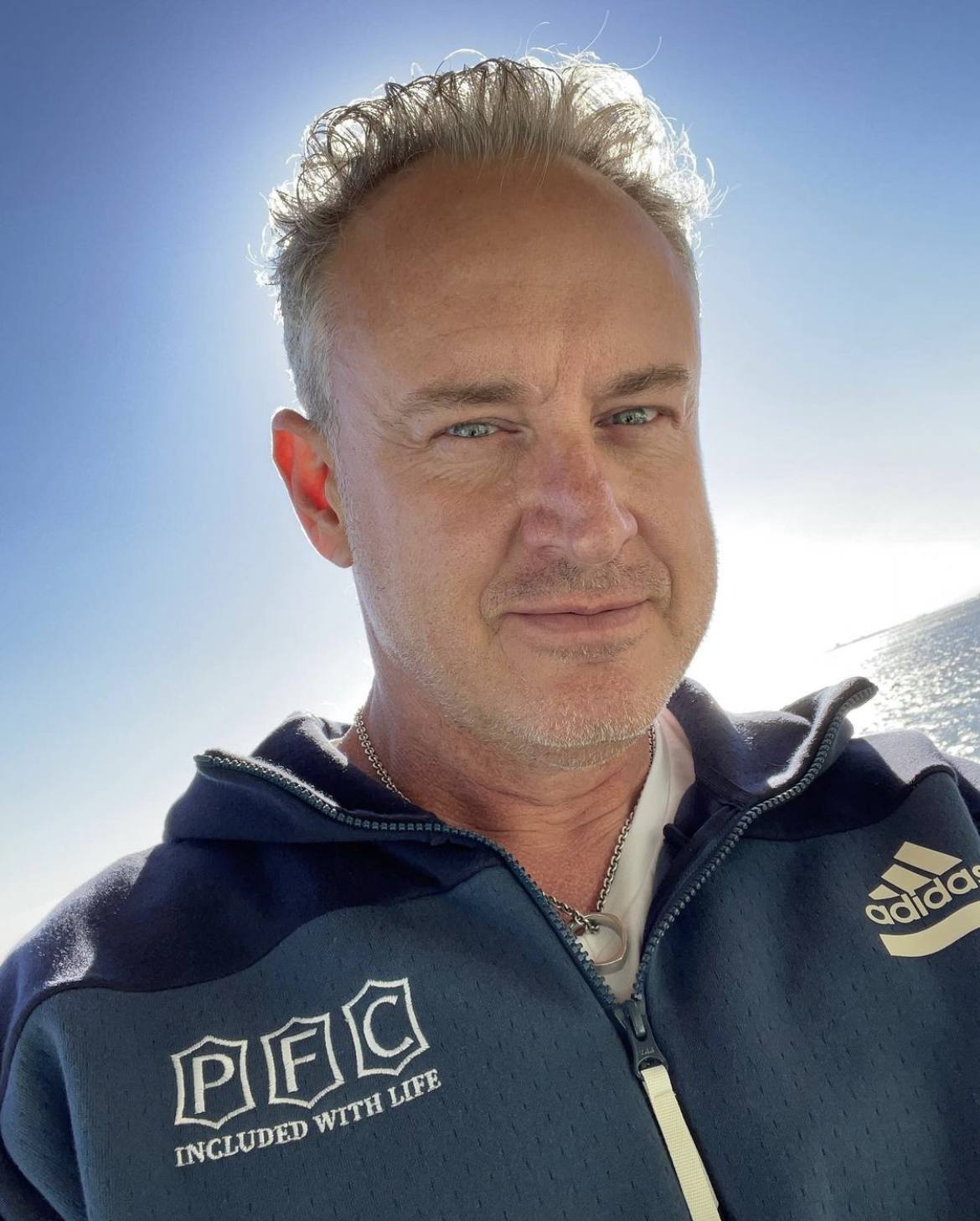
Townsend has consulted and coached for almost three decades. He has served 100s of leaders and his efforts have generated over $1.5 billion in revenue and created more than $1 billion in generational wealth for their founders.
Currently, Townsend serves as the trusted advisor to a select group of founders and the world’s top coaches.
He is the co-founder LMTLSS Academy, a container for coaches committed to building a seven-figure transformational coaching practice.