Ep76 Melanie Mitchell Wexler - How to Build Real LinkedIn Momentum Without Burning Out or Playing the Numbers Game
Ever feel like LinkedIn is just a firehose of automated pitch messages from people all working off the same template?
Suzanne sits down with Melanie Mitchell Wexler, executive career coach, LinkedIn strategist, and co-creator of the LinkedIn Rockstar Academy, to get into what actually builds real business momentum on this platform without burning yourself out doing it.
In this conversation, you'll discover: How to reach out and start genuine conversations that actually go somewhere Why your LinkedIn profile is your real landing page and what needs to be there for people to stay How LinkedIn posts are now being indexed by Google and what that changes about your visibility strategy How to run a LinkedIn newsletter that builds an audience without writing on a rigid schedule Why waking up your existing network is more powerful than always chasing new connections How to know when a pitch is welcome and when it kills the relationship before it starts.
Melanie Mitchell Wexler 0:00
The only person that's going to put me first is me, and so I have to be in control of that. I have to be driving the ship. I can't just, you know, hope that other people are going to respond. I can't hope that other people are going to like, see me. And you know, I have to be the one that reaches out.
Suzanne Taylor-King 0:21
Hey, hey, welcome to a podcast where dreams meet determination and success is just around the corner. I'm your host, Suzanne Taylor King, and I'm here to help you unlock the full potential of your business and your life. Welcome to unlock your way with SDK, let's unlock your path to success together.
Suzanne Taylor-King 0:44
Good morning. Good morning. Everyone. Suzanne Taylor King, here for another Friday live of unlock your way with STK. I'm SDK, as you already know, and we are here today for a conversation with Melanie Mitchell Wexler, total stranger.
Suzanne Taylor-King 1:10
Till five minutes about so I want you to understand the power of LinkedIn here. Melanie is a executive career coach, a LinkedIn strategist, and she created a course for LinkedIn that helps you become a rock star. How did I know we would have an awesome conversation? The fact that she had rock star in her LinkedIn title, that's what got me and I'm super excited today. Melanie, welcome.
Melanie Mitchell Wexler 1:42
Well, thank you. I totally appreciate being here. And yes, we've never met, we've connected, and here we are today. So that's just the power of LinkedIn. But also, you know, great ability to have,
Melanie Mitchell Wexler 1:57
ability to have a conversation,
Suzanne Taylor-King 1:59
yea h, and, and what's so cool, I messaged you and just said, Hey, love what you're doing, love your content. Would love to explore a conversation on my podcast. And I think people over complicate getting to know people, right? And so let's start there, and then we'll get into your backstory. Oh, because, yes, please. Let's start there, because I have thoughts on that. Yeah, I knew you would.
Melanie Mitchell Wexler 2:32
Well, it's funny, because I just had was introducing somebody to another person that I was like, Oh, you guys should connect. And I think, and I and I see this, even with my like, old recruiter friends, when I'm like, Oh, I've got a referral for you as young people in the world that we live in today, always like, what do you want? Correct? Why are you? Why are you reaching out to me? What am I supposed to do with this? Like, as opposed to like, Oh no, here's just a genuine connection. I think you guys actually should talk. I think that there is,
Melanie Mitchell Wexler 3:10
yo u know, mutual alignment, and even, like, with recruiters, I'll be like, No, I'm going to give you. And I know the I mean, I was a recruiter for 20 years, so I've got the pessimism built into me, okay? Because you have to, because you get rejected 90% of the day, and they're like, well, we're not going to pay you for that, you know, like that. And I'm like, I didn't ask you for money. I just said, here's a referral. Like, I'm literally giving you something, okay? And I know in the world we live in today, that is an un like, maybe we're just so pessimistic against that thought, but it's always like, I just really think, instead of having a genuine conversation, of like, oh, okay, this seems interesting.
Suzanne Taylor-King 3:51
Well, I don't know what's so hard. You know, I've always been a talker. I was a dental hygienist before I became a coach, so I got to talk, and people couldn't respond. So
Suzanne Taylor-King 4:03
hey, I liked I liked it.
Suzanne Taylor-King 4:07
But I think people over, I know my entrepreneur clients over complicate what it takes to get someone into a conversation, and there's no agenda here, like I don't want to sell you anything, I don't want to buy what you have. I might someday, I might be able to refer clients to you and vice versa. But I didn't care. That wasn't the reason for the conversation, right? And I think people either are afraid or they over complicate what it takes to reach out to somebody, and then procrastination sets in. They don't reach out to people. What do you see with your people?
Suzanne Taylor-King 4:55
The biggest change once they realize, Oh my gosh, I could reach out and actually.
Suzanne Taylor-King 5:00
Really talk to people.
Melanie Mitchell Wexler 5:01
I think it's, it's the it's the ability then to start opening doors that are otherwise never going to open. You have to take the sometimes you have to take the bull by the hand, and really just initiate that conversation in and of itself. I mean, first and foremost. And so one of the things that I think is, you know, people, I think one or guardrails are up, we're so used to, like, oh, is this spam? Are you? What are you? You know, there's a lot of bad there's a lot of bad actors out there. I mean, absolutely and so I understand that our guardrails are up. But we also have to remember, too, this is about a connection. This isn't about AI. This isn't about, you know, technology. This isn't, you know, this is just a simple conversation. And maybe we've gotten so far, we've gotten used to be hiding behind our phones, behind behind these walls that we forget, like, just how to have a human conversation. And that's simply what it is. It's just a matter of, like, Okay, is there? Is there, you know? Hey, I'm doing something that I think you might be interested in. No pressure, and you still have the power, you still have the control. You can always say, No, I mean, you don't have to.
Melanie Mitchell Wexler 6:15
But, or I see something you're doing, I'm kind of interested in that, you know, and what? What a better you know world we could live in if we just totally, if, for a minute we just said, Okay, here's this person. I'm not. I'm just gonna say, okay, hey, thanks for you know, thanks for sending me this message. How are you doing today?
Melanie Mitchell Wexler 6:38
Yeah, something simple, like, I think people either don't choose to, you know, they they over complicate the what, how I have to respond so they don't end up responding, or they go into this with the thought of, oh, this person is trying to sell me something, and then they don't respond. And the reality is, I always tell people like
Melanie Mitchell Wexler 7:04
there's people knocking at your door. You just, you know, and maybe we don't always open the door, but you know what, we have to start doing that more and more. So
Suzanne Taylor-King 7:14
I totally agree, and I'm going to throw a really close friend of mine under the boss right now and make fun of him a little bit. His name is Jeff Goldberg, and he has become my sales coach, a really good friend,
Suzanne Taylor-King 8:03
And I was like,
Suzanne Taylor-King 8:05
What? No thank you. And I said, Dude, my response Exactly. Voice message, dude, I'm just trying to help you get more views. And he said, No, thank you. I don't want what you're selling. I said, I don't sell that. I said, I'm a business coach and a strategist and a trainer. I said, I don't sell that.
Suzanne Taylor-King 8:33
I do that, and I was just sharing that with you. And he said, No, thank you again. And I was like,
Suzanne Taylor-King 8:40
did Jake picking automate it?
Suzanne Taylor-King 8:44
No. Now he was jaded from LinkedIn, from people constantly messaging him sales pitches, and he since changes his ways because of me and our authentic connection. I persevered, because I knew the value in what he was doing, and I said, I want a relationship with this guy, and I'm gonna, I'm gonna make it happen. And so I think there's a little bit of that when I talk to people that they're like, I don't want to message anybody on LinkedIn, because I receive all of these spammy messages.
Melanie Mitchell Wexler 9:26
We get that quite a lot. I get that quite a lot on both, yeah, whether I'm coaching strictly LinkedIn or whether I'm coaching my executive clients, because I when I'm coaching into the job search mode, which, by the way, LinkedIn coaching is, it crosses over regardless of who I'm coaching.
Melanie Mitchell Wexler 9:41
But I get that a lot with, like, my job seekers, like, well, I don't want to seem too pushy. I don't want to seem like, should I really sin? And I'm always like, and I treat this with my own with my own business. In fact, of the only person that's going to put me first is me. Okay?
Melanie Mitchell Wexler 10:00
Okay, the only person that's going to push my business, yeah, I have a lot of supporters. I have a lot of people in my in my you know, wheelhouse, that are, you know, there to cheer me on. But at the end of the day, the only person that's going to really help me is me. And so I have to be in control of that. I have to be able to do some, and I say control, not in a bad way, but I have to be driving the ship. Okay? I can't just, you know, hope that other people are going to respond. I can't hope that other people are going to like, see me. And you know, I have to be the one that reaches out. And whether you're actively, you know, seeking opportunities. And again, as coaches, even entrepreneurs, we're always seeking opportunities. So, you know, so I can't assume that people are going to do that, because what happens in that case is no, nobody does because one, you're also not putting yourself out there and you're not refining your process. And yeah, there is a lot of spam out there. I get a lot of spam. I get people all the time hitting me, you know. And you know, truthfully, I read every single message i i take in, I look at the person's profile, and I say, okay, is this person for me? If they're not, I don't connect. I don't, I mean, I truly, I just don't respond sometimes, you know? And then, yeah, there's those people that have been taught. And here's the thing, there's people out there teaching, having taught some of this stuff, okay? And, well, you know, there's some messages out there. I don't know they, somebody's making a million dollars off some of these messages because they're the same exact message, that same exact message. And I'm literally like, Where does this live? Like, that script come from,
Melanie Mitchell Wexler 11:46
the script that I need to, like, get rid of, because I need to know the origins of this script.
Suzanne Taylor-King 11:54
Have you ever asked and
Melanie Mitchell Wexler 11:55
I need, I really, actually do need to ask. I know,
Melanie Mitchell Wexler 12:01
and I'd love to know what they said, because literally, I'm like, we're like, stop saying this.
Suzanne Taylor-King 12:07
Yeah, the last one, I had received three of the exact same message, and they kind of look like fake profile. So to every single one, I said, interesting. I've received this message from three other people just this week. How's this working for you?
Suzanne Taylor-King 12:31
And I got one response was, like, it's not working. What do you suggest? And be like, Oh, that's too long for this,
Suzanne Taylor-King 12:41
I suggest you
Melanie Mitchell Wexler 12:44
apologize. You are going to have to hire me for that.
Melanie Mitchell Wexler 12:48
For that response, you're actually going to have to hire me
Melanie Mitchell Wexler 12:52
for Yes, low bottom, help. Just don't send that message, yeah,
Suzanne Taylor-King 12:57
exactly. Just stop doing that.
Melanie Mitchell Wexler 12:59
I have asked them asked and I've gotten things like, Oh, this is working out just great. And I'm like, Is it really because you send 1000 of them and get one response? I don't want to play.
Suzanne Taylor-King 13:10
want to play.
Melanie Mitchell Wexler 13:12
You know that my odds are better. Honestly, my odds are better playing the lotto, I'm gonna scratch off. And you know, have better odds probably so well, how, how did you really get started with the whole LinkedIn thing? I mean, I know there was a learning curve for you. I mentioned that, but how did, how did that kind of come about for you? So I recruited for 20 years, made a pivot fall into this coaching thing was not the plan, by the way. I wasn't ever going to be a coach. Yeah, I was never going to own my own business. I was always going to go recruiting. And I did do inter I was agency recruiter, and then did internal recruiting. Had some life, life happened, and then fell on, literally fell into this business. All of a sudden I have this, like, resume writing, business, coaching business. And I'm like, oh, okay, well, what do I do? And I knew enough, because I'd been a recruiter for 20 years that I was on, you know, I was on LinkedIn. And so I was like, Oh, my, people are on LinkedIn. Gotta go there, right?
Melanie Mitchell Wexler 14:21
Go to LinkedIn. I and I was guilty of the thing that we all do. I consumed every bit of information I possibly could. Became so overwhelmed, I didn't even know how to show up. Like, hey, you're supposed to do this, and you're supposed to do that, and I'm going to do this. And it was overwhelming. It was too much. It was too difficult to handle. And at the end of the day, I just was like, Okay, this isn't working. So I did go seek out, like some of the best of the best advice I would following those people. And at the end of the day, I realized there was nobody really speaking to
Melanie Mitchell Wexler 14:59
me.
Melanie Mitchell Wexler 15:00
Me like there was nobody speaking to that new coach that was so overwhelmed that didn't know what to do. Felt like LinkedIn knows enough to knows that everything knew enough to that LinkedIn was a good place, but it wasn't happening. So started on clubhouse during the pandemic, doing a special audio room. Got introduced to Shel Shapiro, who is now my business partner, and she became my host. Literally got introduced. We had a phone conversation, and I the conversation legitimately went
Melanie Mitchell Wexler 15:35
so you're going to be my host. We start next Thursday. We do it every Thursday, 6pm Eastern.
Suzanne Taylor-King 15:42
I did like our conversation, CEO, you know, get to know I was like, so you're going to do that.
Melanie Mitchell Wexler 15:48
I don't even think we'd spoken, and we've been together ever since, and I'm lowered to death and
Melanie Mitchell Wexler 15:55
and we just built this linked at what it was called LinkedIn 101, becoming a LinkedIn Rockstar and one of the things that we just did from there was we were slowly building momentum. And did LinkedIn audio, did LinkedIn lives. And then about a year and a half, we were like, What if we created a course like, What if we created what we call a cohort? And that was that burst out, LinkedIn Rockstar Academy. And then we became really dedicated to, like, focusing on, like, senior executives, consultants, coaches, entrepreneurs. I still do job seekers. I still, you know, even job seekers can benefit from this, but we really wanted to help people like us, because we both had parallel journeys, and it was literally like, what if we broke down LinkedIn for you and told you all the things you don't have to do that you could make LinkedIn work for you in a way that feels sustainable, and you experience growth, and you start to experience some small wins. What if we showed you that? What if we showed you how to do that where you didn't have to follow these rules of like posting seven five times a week. Now I post. Now I do post. I tend to post more than the average person, but there's reasons and purposes for that. The average person doesn't have to do that, not even an average coach. What happens? You know, there's so many other ways to create this engagement, and so that's really where it you know, like our child came from, was the LinkedIn Rock Star Academy. It was, it was to be able to help other people like us that were struggling, and we were seeing all these amazing coaches and all these amazing people that were not having success. It's easy to say this platform doesn't work. LinkedIn sucks. And I always have to stop and say, LinkedIn gods. I'm not saying that because, you know, LinkedIn gods are always listening. I am a good LinkedIn citizen, but And so, but people are. It's easy to lean into the negative. And so shell is, you know, she calls herself the LinkedIn cheerleader, and that's, you know, and, and it's funny, we did a webinar, did a webinar teaching this past Wednesday to
Melanie Mitchell Wexler 18:15
to an association and a local association in DC. And, you know, they were like, Oh, my God, she's so positive. And I'm like,
Melanie Mitchell Wexler 18:23
it is like that, that is her. Like, it's just, you know, that is who she genuinely is, and so
Melanie Mitchell Wexler 18:31
and, you know, and I definitely am probably like, the no nonsense, like the one that's like, Okay, I'm gonna tell you how it is. But you know, we genuinely want people to be successful.
Melanie Mitchell Wexler 18:42
Believe that the more successful everybody you know, the greater successes we all have, the greater you know, there's just greater good that you know extends from that so but you can be successful on this platform. You can have fun on this and you can have fun. You can be successful and you don't have to do it like everybody else, right? You can be yourself. We talked a little bit about what that looks like.
Suzanne Taylor-King 19:10
And you know, for me, I love writing content. You know, I have a newsletter, I have a sub stack, I I produce a lot of content. So for me, that part's easy. People see what I produce, and they're like, oh my god, I can't do that. Like you don't have to. I do that because I enjoy writing my AI newsletter. I enjoy writing my stoic philosophy newsletter. I do that for me, the fact that it becomes part of my content. Flywheel a bonus, right? But I think that's that's a really key piece you you have to find your way
Suzanne Taylor-King 19:54
that works for you. You have to like what you're doing. You like I wouldn't have a podcast.
Suzanne Taylor-King 19:59
Just if I didn't enjoy having conversations in front of, you know, 1000s of followers, like I enjoy bringing people to other people through this medium. Well, why do it if you don't enjoy doing it? And I think that has to be part of the message.
Melanie Mitchell Wexler 20:20
It has to be a part. It has to be a part because there, there's so many. I get it. There's a ton of LinkedIn coaches, and I get this all the time. Well, why would I want to hire you to, like, be my LinkedIn coach? Yeah. Reality is like, I always tell people, like, here's the reality of it. It's like, first of all, you hire people that you resonate with in, in, regardless, right, regardless of that. But second of all, that, the other layer of this is the fact of I want to show you that you don't have to, you don't have to burn yourself out. And this goes for all platforms, by the way, not just LinkedIn. You don't have to burn yourself out doing something because you see this other person doing it. I have a very good friend, but also personal coach, or someone who's coached me. Her name's Judy Fox, and she gave me some of the best advice. She's like, people chase like you're here, and people are all the way up here chasing this person all the way at the top. They're looking at the Gary V's. They're looking at the Richard Branson's. Okay, maybe I don't want to be a Gary V or a Richard. Like, did we ask ourselves, like, do I even walk yes. But the problem is, what's that in the middle?
Suzanne Taylor-King 21:33
They want us to give that part or or maybe not understand that part, right? You know,
Suzanne Taylor-King 21:42
I think chasing likes and follows and, you know,
Suzanne Taylor-King 21:47
Gary V as an example, 20 pieces of content a day. Well, he's not doing that. People like so idiot.
Melanie Mitchell Wexler 21:56
He's not putting out that content fees, not sitting there responding to every I mean, first of all, most of these people don't even respond to anything that happened. And even if they do get a response, it's not from, I mean, we could pretend, but it's not, it's not from Gary V so Judy's advice to me was like, Look, five steps ahead of who is that person? Five steps ahead of you. Where are they at right now, and what are they doing? Because that's probably more aligned to where you're at, and more obtainable, yeah, to where you want to go. And if you start looking at that and I, and I fully agree, you know, because I do a newsletter on LinkedIn every single week. And people like, Oh, I could never do that. And hey, guess what? There's some weeks I don't do one, I don't meet myself up over it. I think two weeks ago, I just was like, it was either the schedule or what. I just didn't have any content that I I was away last week and didn't do one, like, right? I was like, what I just like, if nothing truly inspires me,
Melanie Mitchell Wexler 23:01
then I'm literally like, okay, you know whatever. I mean, we do a poll on every month, Monday. Now I will tell you this, there's some LinkedIn coaches out there would have told you that girl is freaking crazy for doing a poll. Poll suck. Polls aren't going to get her in any engagement. For me, they work.
Melanie Mitchell Wexler 23:20
It's about figuring out what works for you and your audience. My audience responds to my polls. Guess what? And I don't even care if I were to only get 10 votes on a poll, you know what I would do? And here's a helpful like, just a hit for everybody. I literally go at the end. So I run in on Mondays. Monday comes up, I look at the previous poll that's closed, and I go through and I go, who on that poll voted that I want to connect with, who's in my audience, and I just reach out to them. I say, Hey, thanks for voting on my poll. I'd love to connect with you. That's all real hard,
Suzanne Taylor-King 23:58
genius, right? What have you noticed? You know, people are expecting that from you every Monday now, right? Like, yeah,
Melanie Mitchell Wexler 24:07
I mean, there's now you've built a rhythm. Now you've built like habit, and now it's like, okay, people, then you're training your audience to kind of like, here's what you know you can get from me. Here's what you know, I'm going to talk about, here's what, you know, you're going to see for Nate. And so it is legit and, you know, and it's, and it is, you know, some of this is a long game. This is not, you know, typically, before, I think there was a comment about, like, oh, well, then it's just trying to, you're just starting, and then you're gonna It's a lead into a pitch. Yeah, not to say sometimes a pitch never will happen. It maybe just doesn't make sense once you start talking to somebody. But I want to also say a pitch isn't a bad thing. Like, a pitch isn't like, there's, I.
Melanie Mitchell Wexler 25:00
Understand, when is a pitch bad. A pitch is bad. When I say, hey, Suzanne, we just connected. Here's this thing I want to sell you, okay, but if Suzanne and I have had seven to eight conversations, and I say, you know, Susanne, based on our conversations, I just want you to know I'm running this cohort. Next week, I'm running this workshop. It is a paid workshop. I'd love to invite you. Can you go check it out? Yeah, that's not a bad thing. I would invite you know people that I've know that if I thought it was in something they wanted to know about, if I would invite them so, you know, so, yes, we're talking seven, eight, maybe it's 10 conversations in it is about staying in touch. But I will tell you, the one thing most people are not doing is they're connecting with people, and then they do nothing, yeah, and then I hear on the other end, well, my network can't help me. Well, you've never had your covers,
Suzanne Taylor-King 26:05
I say all the time. If, if you feel that way, it means you're not helping your network enough, right? Well, it also you think people aren't helping you. That's because you're not helping others.
Speaker 1 26:24
And I would also say, I will say, this is where my partner shell one of her, her strengths is, is what she calls waking up your waking up your network. We have this concept of networking. Has in networking, of course, some people like, I'm an introvert by nature. I'm an introvert. I was the shyest child in the world. Oh, I am like pain if you put me in a networking situation like in I had one networking situation where I literally had to tell five year old Melanie not to show up. Please do not show up. I need you to stay at home, because we gotta, we gotta push ourselves out there. I will be the most exhausted person. After a network like, I will be like, I can't talk to anybody. Yeah? I need a whole, like, day and a half of No, yeah. You know, even when I was recruiting, I'd be on the phone all day long, pushing myself out there. I would come home and I would just be exhausted. I was just like, I can't my mother used to hate it because she's like, he never talked to me on the phone. I'm like, Mom, I'm on the phone all day. I can't talk to anybody. Yeah, but yeah, I was the I was the shyest child in the world, like, painfully shy. But, you know, but going back shell always says, this is waking up your network. We always assume, like networking is about making all these new relationships, and we have to reinvent the wheel. And yes, we want to expand our network, so there's that new piece in it. The reality is, though we do have a network, but I would really like to, I'd really push people to go, who's, who's your connections? Yeah, who are your connection? I again, I don't care if you have 20 I don't care if you have 20,000 who's your connections? Are you really looking at your connections? Because I guarantee you've got people in there, sitting there that you know ultimately, hey, I want you to be hired. I want people to hire you. I want people to find out the greatness that you offer and do. So yes, that means we're going to have to have, at some point, we're going to have to learn how to pitch
Suzanne Taylor-King 28:34
and and, and if I look at someone's connections, and they have, you know, more than 500 connections. There's somebody in there to have a conversation with, like, let's just practice that. Like, let's just practice, Hey, Bob, I see you took a surf trip last year, I've been a surfer since I was 12. You want to compare wave notes sometime that landed me a referral partner, all because there was a common connection of surfing with that person. So whatever that is for you, you know, I have a lot of hobbies, I'm sure you do too, like there's there's connection points that you can accentuate in your business. My first consulting clients, I was a dental hygienist for 20 years. My first coaching and consulting clients were, huh, big surprise, dentists I mean, I spoke the language, I had that connection point with them to reach out and ask if they were, you know, thinking of other revenue streams besides just having 30 new patients. Months a month, and that they were intrigued by that they had never thought about that before. So it started great conversations
Melanie Mitchell Wexler 30:07
for me. I started as a coach. I mean, you know, started off as a resume writer. I'm be very honest. I didn't start off a coach with this great idea of like, oh, let me help people. I started it off because I needed money. I was a single mom. I was unemployed. It was a talent by had developed for 20 years and some, you know. And I always said, the first person that hired me, I always just was, there was a friend, and I was just like, oh, they felt sorry. They just knew I needed money, but, but no, I actually, I invested, you know, I took what little money I had at the time. This was not a good point, you know, very kind of low point in my life, and in terms of this. And I, I started it out of necessity. And I started with resume writing. And I remember my very, one of my very first clients, he's this amazing. He's, he's a man. Now I call him a young kid, but he was getting ready to go to grad school in Purdue, and he was like, Can you help me with my resume? I was like, Well, yeah. I mean, I absolutely can. And then he was like, Well, can you if I write out my answers to my grad school, can you edit them for me and just make sure? Heightened. I was like, Well, I'm actually a really good writer, and writing is actually, it's a I love writing. I love long form writing. And so I was like, Yeah, I could definitely, I definitely could do that. So I, you know, he hired me for that. I mean, fast forward. He last year, gave me a referral. That referral gave me a referral. And so that's it. So just, you know, and this we're talking eight years ago, but you know, that's really where it started from, and that's really where, you know, it was a it was a strength that I had, and that's how, you know, I tapped into and what I realized was there, you know, was a lot of coaches. I had made an assumption, because, again, wasn't planning on this. Had no clue what meant to, like, own a business, be a coach, and no clue what that any of this meant. And, you know, I just assumed people all came from the world that I came from. Yeah, was no. There weren't a lot of people that were, you know, coaching, career coaching in particular, that had 20 years of recruiting experience, and so, you know, found that, like, okay, there's a perspective I have that I can offer and, you know, and just literally, and this is the same came from, like, where LinkedIn, Rock Star Academy came from. It was literally built out of, okay, here's something I need for my business. And I don't know, I've got to teach this to myself. And then I just consumed, you know, what I keep, you know, my top layer, tier, you know, the A a team of like LinkedIn people, and consume that. But there was a lot that didn't like, you know this, I actually don't like always creating content. I kind of have a love hate relationship with content. I mean, sometimes I I've written something amazing and then it doesn't do anything, like I did a post the other day, and I love this opening line, so I'm gonna just flatter myself here, folks. It started off with the end of a DM is it was you'd have to go to my post or something, but it was something about a DM will always end in no conversation if it ends in a period. It was basically because you're not asking another question. And I thought it was entirely clever. It didn't do as well as my other pieces of content. That's okay. I just sat with it for, you know, I've just sat with it. I am and, you know, that's life, though, and I'm not going to get caught up in, you know, what's an impression, what's a view, you know, at the end of the day, I don't care if it's 100 people that like a piece of content or five people that like a piece of content, I'm going to engage with each and every you know, actually, it's easier for me to engage with those five people than it is the 100. You know. I don't, you know, even when I'm teaching, I don't focus on, quote, unquote, the algorithm. I mean, I understand to a degree, I'll explain it, but I don't coach on the algorithm. I don't coach on numbers per se. Yes, you should know if you're growing. How can we get better? Of course, but I want to coach on like, what are your results? What are real, tangible results, right?
Suzanne Taylor-King 34:36
And I had a conversation a couple months ago with a LinkedIn. I love his content, Charlie hills, and you know he's he's grown a massive following. He does some really cool posts that you comment, and he sends you more value. And they're super valuable. Great growth. Graphics made with AI. He's a fan of a tool I love for LinkedIn, Stanley. So we had all these things in common. He has, I don't know, 150,000 followers. And I found out that he grew that in a year. So I messaged, I messaged him, and I said, you know, love what you're doing. Huge accomplishment. Would you ever want to have the conversation on my podcast? And He answered me, but I had also been engaging with his content. I also asked for some of his pieces, which means I had to be connected. He saw my name in the DM. I have a very unique job title, which stands out. People remember it, which, that's another tip I love to share about LinkedIn, like, don't just say you're a business coach. Like, say something unique, so it stands out. And he recognized my name, and he responded, and we ended up having an incredible conversation. And my lesson was, he said to me, since he's grown, he gets less messages because people think he's getting more messages. Oh, he's too big of an influencer. He's not going to answer, right? This was huge lesson for me to not be intimidated by someone else's numbers and say my you know, if they don't answer, they don't answer, right? Oh, well, I'm still saying my truth. So if you could give one piece of advice about reaching out to people that five steps ahead of you, right? Maybe they have more followers, maybe they have more engagement. Maybe they have a bigger business than you. You think like you're you're intimidated because they're a couple steps ahead of you. What advice would you get? No, I think
Melanie Mitchell Wexler 37:01
it's one of the things that it's, you know, first off, put yourself out there. What you said about like, if they respond, great, if they don't, you know, it don't put the energy and the risk the lack of the response. Don't put your energy in there, because there's a variety of reasons why people don't respond. Okay, they actually might not be as active on LinkedIn as you think. There are tools that can schedule your post for that are actually very legit tools. They're not, you know, bad tools. You can have those tools so they may not be spending, I spend more time than the average person, and so please don't, you know, but the biggest piece of advice is, please don't be afraid to do it. And also, don't be afraid to do it for I see so many business owners in particular, just like struggling, and they're so like, I've got to have these things that are so perfect.
Suzanne Taylor-King 37:53
One of my new connections just commented. I saw that comment Yes, and I believe he pronounces his name, Allen, but I'm not sure. So please correct me.
Speaker 1 38:09
I actually love his question, because I actually have very I have a thought on this question. So first off, we talked about LinkedIn, whether it's content or newsletters. First and foremost, understand this. This this is not going to ever close your business. Okay, I know that people, you may never have heard that before, but it's never going to close your business. It might, it might get you that one off, like, somebody read something and be like, I'm going to hire,
Suzanne Taylor-King 38:33
yeah, I had one of those in the right.
Melanie Mitchell Wexler 38:34
You got to get them like, once every, I don't know, let's say three years or something. I mean, that may be even too high. So that is not the purpose of the content. Okay. The purpose of the content is to establish yourself as a as a thought leader, as an expert in your field. That's the purpose of the content. So when we talk about performance of newsletters, now, there's a lot of people out there would tell you, Mel, LinkedIn newsletters, they've died. There's always somebody that says something's died on LinkedIn, okay, it's only died. And I'm gonna go back to Gordon had something about like it's only died, as much as you don't know how to use the tool, first and foremost. So some of my con you know, some of my newsletters are my best performing pieces. One, here's why, and yes, you do get a ton of connection, like notifications. Subscribe to this newsletter. I do not subscribe to every single newsletter. Absolutely you're correct. Why? Because, in some newsletters are not relevant to what I'm interested in knowing or my field. So first off, you don't have to do that. Second of all, yes, you're going to get that because somebody said you need to go create a newsletter. Now, you know what's going to happen if you got to look at the newsletters that you are currently subscribed to. And I just did this in a training session with somebody the other day. Honest, God's truth. I looked at mine. Have 159 new. Newsletters. Now you're going to be like, Oh my god. How do you read this? Guess what? I do not get 159 newsletters. Why? Most people like, we randomly picked one. She had written two, two editions. So she just written two pieces, and it was over four years ago. Oh my gosh. Now I haven't cleaned out my newsletter subscriptions. Do that. Do we need
Suzanne Taylor-King 40:21
to clean them out? So it's not as he's
Melanie Mitchell Wexler 40:22
like, You should kind of like, sometimes I'll find that, oh, I'm not reading that, so I'll go in and, like, unsubscribe or something like, I maybe it was something at the time that I subscribed to, you don't have to UN you don't have to clean them out. But it's kind of like, good just to like, Okay, who am I subscribed to? But nine times out of 10, most people create a newsletter and don't do anything with it. Why is my newsletter been successful? It's because I'm consistent. Now you don't have to be consistent and do one every week like I do. That was just something I've kept with and I've just built from it. If I only do two pieces of content a week, it'll would be my newsletter and my poll, that would be, and if the other stuff, if it happens, great, if it doesn't. No skin off my back.
Suzanne Taylor-King 41:10
So is your newsletter internal to LinkedIn? Like it's a LinkedIn?
Melanie Mitchell Wexler 41:14
Yeah. So mine right now, I'm like, You, I want to go to sub stack. I just haven't had the time to make, get everything properly set up. That's, that's one of my goals this year. So I do have an internal newsletter on LinkedIn. It's called the pivot, primarily, you know, I do primarily focus on the coaching, career, coaching side. I do get into LinkedIn on that, that piece as well. But again, it's just as a matter of like creating and establishing my expertise and why I say who you know. Here's my point of view. The other thing that people should know that LinkedIn is doing right now is LinkedIn content that you're producing, especially even newsletters, is becoming very SEO driven when it comes to Google searches. So for especially for entrepreneurs, business owners, coaches, this is really important, because I don't want to pay for SEO on Google. No. Thank you. I have no desire for that. But if you go and type Melanie Mitchell Wexler LinkedIn post right now in Google, it's going to give you, I because I was doing this again as an example. I think the other day it was like my most recent post. I think it was the DM post that came up first, but it'll show it literally is now indexing your your LinkedIn posts, not your social media, specifically LinkedIn post. It also indexes my LinkedIn newsletter. So if somebody goes and Ha, and so that is where now I'm gaining further reach, because somebody could go Google a topic, and that topic will come up. Here's another interesting fact. Guess what? Like a chat GPT does if I say, because it's like, you know our new Google, right? Hello, hey, what I need information on XYZ. Chat GBT, if you look at when it at you ask it to search the web or the internet, a lot of the responses it pulls from and resources are LinkedIn. Newsletters, yeah, driving people already
Suzanne Taylor-King 43:30
to that perplexity, does that with LinkedIn. Newsletters, I use notebook LM, I create, you know, notebooks on all kinds of topics my coaching modules, that's a whole training conversation in itself. What you can do but notebook LM added because it's, it's a Google product, right? It added this search ability feature so you can search for your own sources within an AI tool, yep, that can search Reddit, YouTube and LinkedIn, but not other social platforms, which is just
Melanie Mitchell Wexler 44:12
so LinkedIn is doing a lot. This is the piece we don't see. Okay, this is a technical piece. I'm not a technical person. I you know, know enough that I can kind of explain it on a very surface level, obviously, but this is where it's helping you. This is why I'm so big on this platform. Because people are out there searching. They're using these tools. They're looking for information. Yeah, they're you looking for this. And these tools are automatically given. You know it is, it is a whole SEO, AEO strategy is a whole like, there's a whole like. You'll see like, if you you'd have to scroll down, because I've done a hundreds of them at this point. I used to just have like. Now I changed the banner of my newsletter. It shows the actual title of my newsletter. As opposed to the pivot, that was a whole purposeful SEO strategy, that was a whole purpose, that there's a reason I did that, and then that is specifically because I want certain keywords or that topic to make sure that it's coming up and even in the image, and so that I changed in terms of how I do that. But yeah, you can now go and type in your name and do LinkedIn post, and you can, and obviously nobody's like typing my name in and saying LinkedIn post, but for your own curiosity, you can look to see what yours comes up in and and that's actually and so we know that, like, with even LinkedIn content, having some sort of like, I don't want to call it a title or a header, but just some sort of lead in to like, what it is, will help gain that SEO, because it's picking up on those kind of keywords in the very beginning, at the top of it. And I think the DM posts like because, you know, I'm caught up on this DM post. So DMS have been my hot topic this week, but that's even coming up there. So there's so many things that LinkedIn does to help you gain visibility that you know. Again, this isn't about posting seven days a week. It literally is taking these posts in I would also add to the thing that you probably have already seen is LinkedIn content is lasting longer on the on their feed, or probably seeing posts from a week. I think I've even seen up to three weeks my player shell, I see a post of hers, and I'm like, Oh my gosh, I didn't support her. And then I end up commenting again, and she
Suzanne Taylor-King 46:43
says, I noticed that with my own content, that if something's really getting traction for me, and it's typical, the controversial thing or contrarian thing always gets more interesting, always. And so then if that's combined with a business skill, the way I used to do things and how I do it now, and I made this much more money because I was willing to do that, oh, that's, that's the post that's going to take off. And I've, I've learned that about my audience and what I say. And if I have a post that's getting comments in the morning from yesterday, and I noticed that second degree connections are starting to come in. That means LinkedIn showing it to a wider, you know audience. I don't post again because I remember hearing I don't know how true it is, but if I post again, that's the post that's going to get shown, and they're going to stop showing the one from yesterday.
Melanie Mitchell Wexler 47:51
Is there still some truth to that? I would say that it's either you can still get away, as long as I'm big on like and I made this mistake. I accidentally scheduled to post for last Tuesday, and I had two posts ago. So if you're you know, and I, hey, I'm not a content creator that can post double like, you'll see Gary V, for example. Like, these are kind of horrible examples, but no offense to Gary V. Gary V can get away with posting 20 times a day, okay, like an average person cannot do. Not do that. Please, don't. I don't. Personally feel like I can get away with posting two times a day. There are some people that I do follow that do post two times a day. They can. I'd say they're on the bubble, but they they manage to do it. I also don't. I don't have anything I want to say two times a day. There's nothing that majorly interesting happening in my world that I need to tell you twice, but so your content is lasting longer. So, yes, you don't necessarily need to. And there are the other ways to like through. I mean this, you know, this is a whole like coaching thing in terms of engagement, where you're showing up, what is your audience you're speaking to? There's so many ways to that you don't even have to, like, I mean, you could get away with not posting anything if you really want it, and you could build a complete and total business and successful without posting a single thing.
Suzanne Taylor-King 49:25
Yeah, and there are people that are doing it. And I just think, you know, having a profile that's properly filled out that you know speaks to your expertise is required today. Well, mind space, right? You don't, you don't have 310,
Melanie Mitchell Wexler 49:43
yeah, because if say, for example, that post that's gaining traction, guess what? They do? And they go to your profile. Yes, not if your profile is not truly optimized. And I don't say that word lightly, but it really in this with the algorithm. Way LinkedIn is set up, went through a lot of changes last year, but if it's not properly set up, you're going to lose because right now, the algorithm looks to see like, Oh, your profile says this, but your content says this. There's a misalignment. It doesn't know who you're speaking to. But the same is for a human being comes to your profile, and then they don't see these things that you just claimed, or, you know, like, Yeah, where's your expertise, where's your knowledge, and they don't see that at the top. Guess what? They're not going to scroll down to the bottom. You're gonna they're gonna go on to the next person, and they're gonna be like, Oh, maybe I was a one off. Maybe that was like, oh, okay, I don't connect with this person. I'm so you really do have to fully and there's so many ways, like I always, I mean, I will guarantee you, when I work with somebody, they will always walk away going, Oh, I didn't know you could do that. Oh, I didn't realize that there was this section. Oh, you can put that in the you know, people, oftentimes, I'm big on repeating information. You can go to my profile, you'll see some like, now I'm telling you, but if I didn't tell you, you probably wouldn't honestly recognize that I've repeated the information that I'm telling everyone.
Suzanne Taylor-King 51:17
I notice on your profile that you have a services section. I haven't put that, but I saw yours, and I was like, Hmm, maybe I should put that, because that that made sense to me.
Melanie Mitchell Wexler 51:32
It's a it's an untapped resource. I have very specific information there. And the reality is, our brains are made. We respond different to visuals. So you'll see visuals there services is up higher. So people can are going to naturally see that sooner on a profile, there's graphics there nine times out of 10, I would say coaches do not have or service providers do not have graphics. They have words. So guess what happens? We scroll on by because there's nothing that's going to stop us to say, Oh, look at that. That's just our brains. Our brains are, you know, we see words, words, words, but there's nothing we need to have. And I whenever, and again, whenever even resume writing. I'm big on white space. I have a client that I told I had a session with yesterday. I said, Here's your job. You've got to go through all these bullet points that we've created, and I need you to tell me which ones we're going to get rid of. Because I was like, we have too much words on your like, it is like, I was like, you've got to, you know, doesn't mean you didn't do it. Doesn't mean we don't keep this as a master so we can refer back to it, but I need to cut this. I need to cut this puppy down. And that's the thing too, of like white space in your about section, spacing things out. We are not here to be the grammar police that three sentences, you know, this is the English person and the grammar person, three sentences equals a paragraph. No you could write one sentence and have space and then go to the next thing you write, then two or three sentences and then have another space. But you must have white space, and you might, because remember this little tool right here, folks, this is what most people are also scrolling on and white space is your friend on that tool. That's what keeps people on your profile.
Suzanne Taylor-King 53:27
Great tips. Mel, we could go on for hours, but I want my listeners and my followers to come subscribe. Where can they find you, besides LinkedIn? Do you have anything going on? You have a workshop coming up? Do you have Yeah,
Melanie Mitchell Wexler 53:48
so we do have a workshop coming up. Of course. You can go to my profile. It's in my banner, it's in my featured section, and we'll
Unknown Speaker 53:55
share it below, yeah,
Melanie Mitchell Wexler 53:56
video, we'll make sure we share it. And you can it's, it's Rockstar accelerator.com, it's, we have our LinkedIn workshop. It is a 90 minute workshop. It's coming up next week, next Thursday, at 11am Eastern. It's, um, it's $150 I'm, I am not, like, here's a deal. I will tell you what the cost is, what freaking is. I'm very afraid, but you get two LinkedIn coaches for 90 minutes. Everybody that registers is going to receive at least three automatic, personalized takeaways for your profile. So we are going to look at everybody that registers and give you a personalized write up of that. And then we're also going to be teaching on how to really kind of focusing on that top half of your profile. That's first. We spend a lot of time on the profile, to be very honest. Because again, this is your landing page. This is where people are going to consume so that is my big thing right now. LinkedIn, rocket star accelerator, what we call our our accelerator. Later workshop, and so that's coming up next Thursday. There's still spaces open for that. And if you are interested, I mean, just message me, connect with me, even like that's cool.
Suzanne Taylor-King 55:17
And you know, for my members in my community, if you're tuning into this and you want Melanie to come and do a workshop just for us, let me know in the comments, and I'll talk her into that for all of you, because she is a rock star. She is a Go Giver, and I knew it from minute one. Melanie, thank you so much. Thank you for connecting with me, for having this conversation, and being willing to hop on Facebook, LinkedIn and YouTube, live with someone you've never met before.
Melanie Mitchell Wexler 55:55
Yeah, that's what it's all about. It's all about you just done much, Brooks,
Suzanne Taylor-King 56:01
I love it well. Thank you again. Have a great day, and thank you everyone for tuning in. Thank you for tuning in to another empowering episode of unlock your way. I hope you found today's discussion inspiring and you're ready to take your business and personal growth to that next level. If you're feeling as fired up as I am and eager to unlock that full potential, I'm here to help you on your journey and provide that personalized guidance tailored to your unique goals and challenges. Simply book a one on one coaching call with me, and we'll dive deep into your business aspirations and see how we could co create a roadmap for your success, and whether you're striving to scale an enterprise or just getting started. I'm here to support you every step of the way. To schedule your coaching call, simply visit the website at unlock your way with stk.com click on the book a call button, and we'll turn your dreams into that reality. Subscribe and review on your favorite podcast platform and on YouTube, plus you can join over 800 entrepreneurs in the IDEA Lab Facebook group. Let's make success as an entrepreneur happen together until next time I'm SDK, keep dreaming big, stay focused, and most of all, have fun while you're doing it.
Speaker 2 57:39
This show is powered by media leads to get your next great podcast produced. Go to media leads, co.com
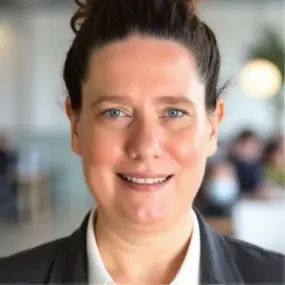
Executive Career Coach & LinkedIn Strategist
Melanie Mitchell Wexler is an Executive Career Coach and LinkedIn Strategist who helps creative, media, and mission-driven professionals navigate career transitions with clarity, confidence, and strategy. With a background in recruiting and talent acquisition, Melanie understands how creative experience is often misunderstood, undervalued, or poorly translated in traditional hiring processes — and she specializes in fixing that.
She works with professionals who feel boxed in by corporate environments, burned out by toxic cultures, or defeated after months of unanswered applications. Melanie helps clients step back, get clear on what they actually want to move toward, and reposition their experience in a way that highlights creative ownership, judgment, and impact — not just job titles or responsibilities.
Rather than pushing quick fixes or generic advice, Melanie focuses on helping clients articulate their value, reclaim confidence, and build a professional narrative that attracts the right opportunities. Her approach combines career strategy, personal branding, and practical coaching, enabling clients to move forward intentionally without losing themselves in the process.
Melanie is the founder of Find Succeed Achieve and a co-creator of the LinkedIn™ Rockstar Academy, where she teaches professionals how to build visibility and credibility on LinkedIn in a way that feels human, aligned, and sustainable.
Her philosophy is simple: your career should support your creativity, your values, and your life — not drain them.